Spotted Lanternfly in Pennsylvania: What Homeowners and Property Managers Need to Know
Pennsylvania is ground zero for spotted lanternfly in the U.S. Learn how this invasive pest spreads, what it means for your Pocono or Lehigh Valley property, and how professional treatment can protect your trees.
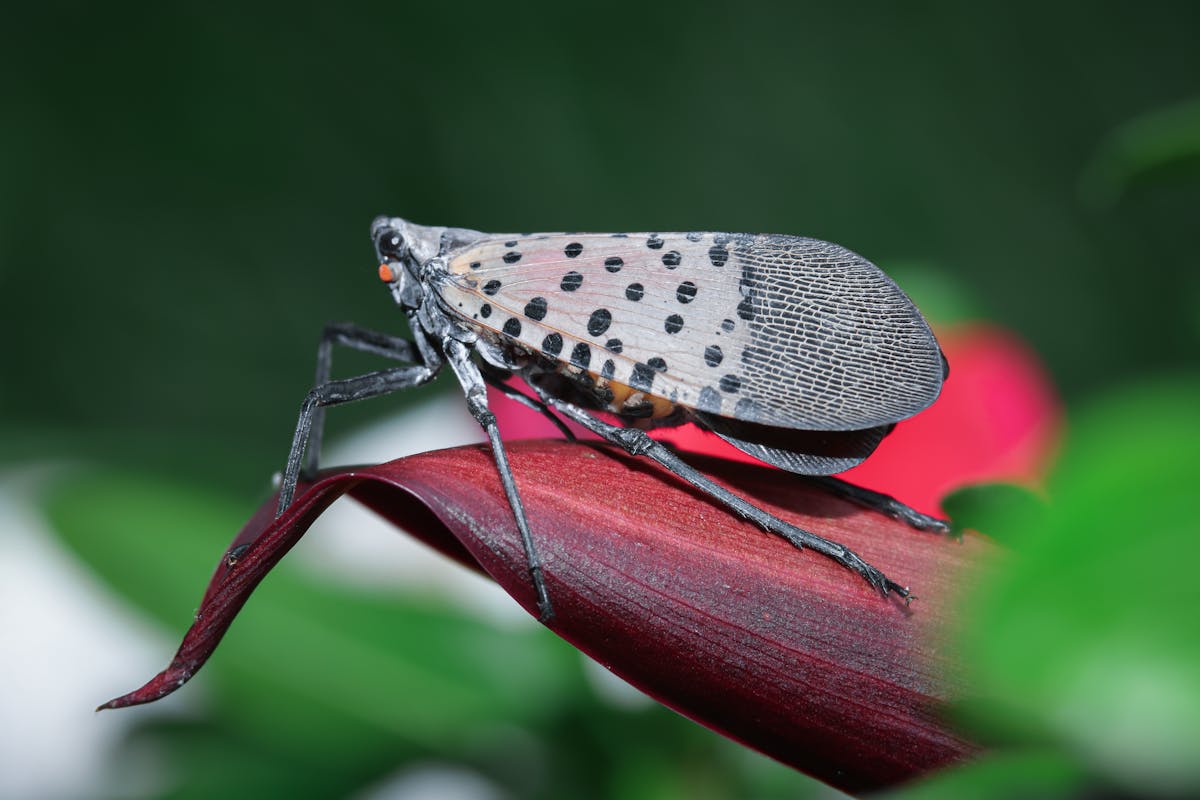
Spotted Lanternfly in Pennsylvania
If you own property anywhere in eastern Pennsylvania — from the Lehigh Valley to the Pocono Mountains — you've almost certainly seen the spotted lanternfly. With its distinctive gray-speckled wings and shocking red underwings, this invasive planthopper has become Pennsylvania's most talked-about pest since its discovery in Berks County in 2014. Today it's established across Monroe, Pike, Wayne, Carbon, Lehigh, and Northampton counties — the exact service area L&L Pest Control has protected since 1986.
Where Spotted Lanternfly Came From
Native to China, India, and Vietnam, the spotted lanternfly was first detected in North America in Berks County, PA in September 2014. From that introduction point it spread rapidly across Pennsylvania. Eastern PA offers near-ideal conditions: an abundance of tree of heaven (*Ailanthus altissima*) — a fast-growing invasive tree that's the spotted lanternfly's preferred host — grows along roadsides and fence lines throughout Monroe and Lehigh counties.
What It Damages
Spotted lanternfly feeds on over 70 plant species including:
- Grapevines (Lehigh Valley vineyards have reported serious crop losses)
- Apples, peaches, and cherries
- Hops (a growing crop in Monroe County)
- Maples, walnuts, and oaks
The feeding weakens plants and produces honeydew that grows sooty mold, further damaging trees and coating outdoor surfaces.
STR and Vacation Home Risk
Spotted lanternfly spreads via eggs laid on smooth surfaces — cars, outdoor furniture, firewood, stone. Vacation homeowners who transport items between properties can unknowingly spread the pest. PA law requires checking vehicles and outdoor items before leaving quarantine zones.
Professional Treatment
L&L Pest Control offers spotted lanternfly assessment and treatment for residential and commercial properties throughout our six-county service area. Call (570) 992-3487 for a consultation.